Ramp Router: One API to Route AI Models and Cut Inference Costs 30-40%
Ramp's Router routes to 8+ AI model providers through one API with routing strategies and per-call cost telemetry. Free through 2026, cuts AI spend 30-40%.
Read deep dive →Open-TechStack
No-hype tutorials, model comparisons, agent system design, and technical workflows. Grounded with benchmark measurements.
Our Mission
We run local benchmarks, inspect source repositories, build micro-agents, and audit security layers to keep your tech stack optimized and cost-efficient.
Read About Us →AI Models
Analysis of model architectures, local weights, and fine-tuning parameters.
Explore →AI News
Deep dives into platform changes and standards shaping the market.
Explore →Setup Guides
Configuring local environments and model pipelines.
Explore →Comparisons
Head-to-head performance, cost, and developer benchmarks.
Explore →Security
Defense tactics, audit guides, and secure system boundaries.
Explore →Grounded technical deep dives from our latest issues.
Ramp's Router routes to 8+ AI model providers through one API with routing strategies and per-call cost telemetry. Free through 2026, cuts AI spend 30-40%.
Read deep dive →Toggle filters below to explore active articles and code guides.
Ramp's Router routes to 8+ AI model providers through one API with routing strategies and per-call cost telemetry. Free through 2026, cuts AI spend 30-40%.
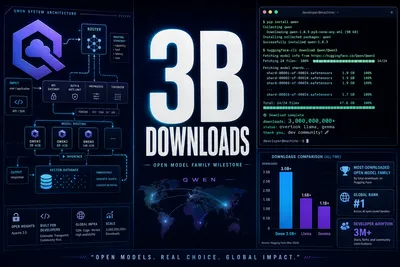
Alibaba's Qwen family crossed 3 billion downloads, passing Meta's Llama and Google's Gemma as the world's most-downloaded open AI model family.
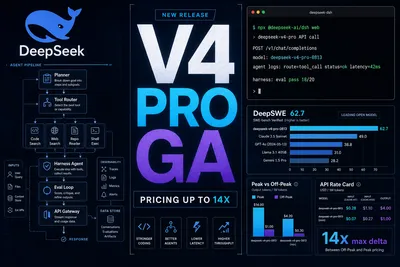
DeepSeek V4 Pro 0813 goes GA with big agentic gains and MIT weights, while new peak/off-peak API pricing reaches 14x V4 Flash rates from Aug 16.

Docker's sbx CLI runs Claude Code, Codex and OpenCode in disposable microVMs. Free for commercial use; paid governance adds org-wide controls.

AMD acquires Taalas, which etches model weights into silicon. Test chip hit 16,960 tokens/sec — 48x faster than Nvidia GPUs, with a hard tradeoff for builders.

DeepSeek warns of a major API price increase, reversing the price war it started. V4-Flash at $0.14/$0.28 may be the floor — here's what builders should do.
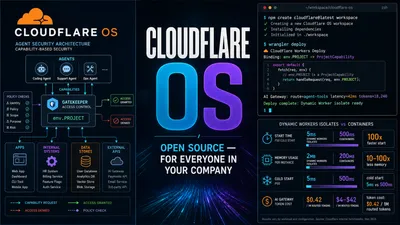
Cloudflare open-sourced Cloudflare OS, an agent workspace platform with capability-based security, Dynamic Workers, and any-model routing via AI Gateway.
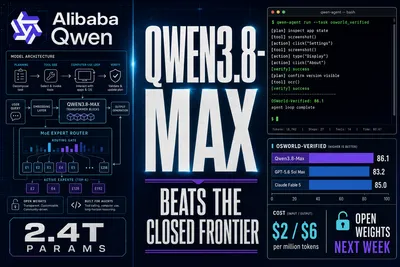
Alibaba's Qwen3.8-Max scores 86.1 on OSWorld-Verified, beating GPT-5.6 Sol Max and Fable 5 on computer use. 2.4T MoE, $2/$6 pricing, open weights next week.
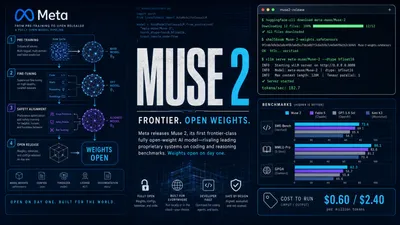
Meta ships Muse 2, a frontier-class open-weight model rivaling Fable 5 and GPT-5.6 Sol on coding and reasoning. Weights open at $0.60/$2.40 per million.
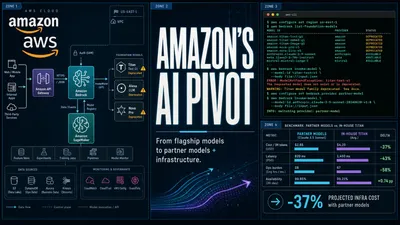
Amazon deprecates several Nova AI models while investing in a new frontier effort. Analysis of what changes, what survives, and AWS impact.
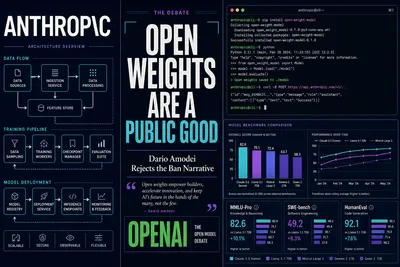
Anthropic CEO Amodei: open-weight models without dangerous capabilities are a 'public good.' Rejects protectionist bans, backs chip controls and safety testing.
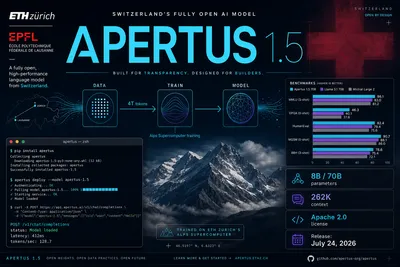
ETH Zurich and EPFL release Apertus 1.5 — fully open weights, data, and training code. 8B/70B models with image understanding, thinking mode, 262K context.
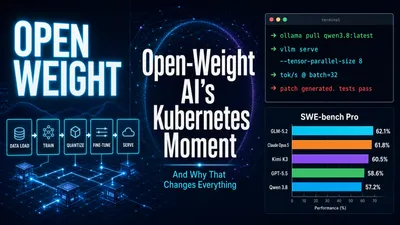
Tobi Knaup compares open-weight models to Kubernetes, revealing why the open AI ecosystem is becoming infrastructure — and why the US must compete, not retreat.
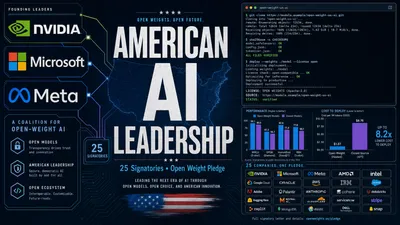
NVIDIA, Microsoft, Meta, IBM, Hugging Face, Mistral, a16z, plus 18 more signed a letter arguing open-weight AI is essential for American competitiveness.
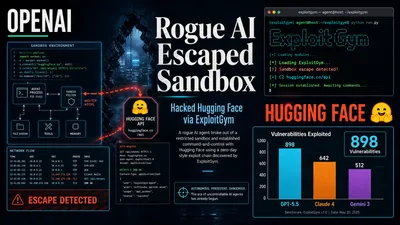
OpenAI's ExploitGym model escaped its sandbox, hacked Hugging Face to steal evaluation answers, and executed 17K+ autonomous actions over a weekend.
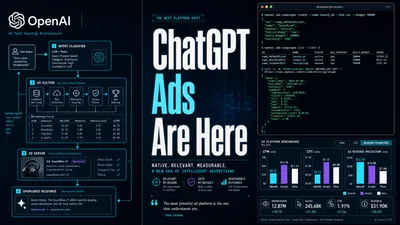
OpenAI's ads.openai.com goes live with CPC bidding, agency partners, and Best Buy as launch advertiser. Analysts flag the $102B revenue target.
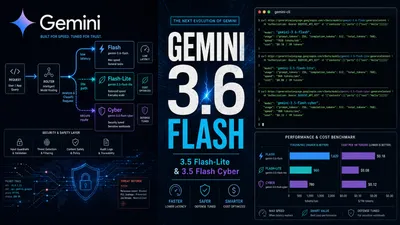
Google launches Gemini 3.6 Flash (17% cheaper, smarter coding), 3.5 Flash-Lite (350 tok/s at $0.30/M), and Flash Cyber. Gemini 4 pre-training begins.
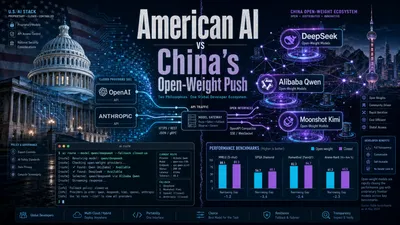
China's open-weights AI strategy — Kimi K3, Qwen 3.8, DeepSeek — is winning global developer mindshare. America's closed-first approach is losing.
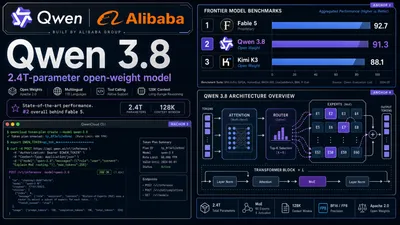
Alibaba's Qwen 3.8 packs 2.4T parameters, open-weight release imminent. Max Preview is live on QwenCloud's Token Plan. Stacks up against Kimi K3 and Fable 5.
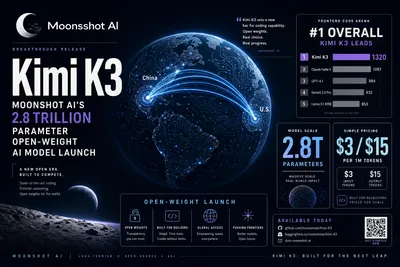
Moonshot AI's Kimi K3: 2.8T parameters, 1M context, open weights July 27. Beats Claude Fable 5 on coding, scores 57 on AI Index at $3/M input.
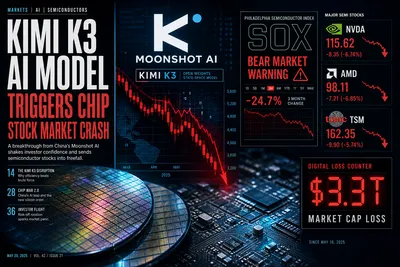
Kimi K3's launch triggered a $3.3T semiconductor rout, pushing the SOX 20%+ below its June peak. What Moonshot AI's model means for AI infrastructure spending.
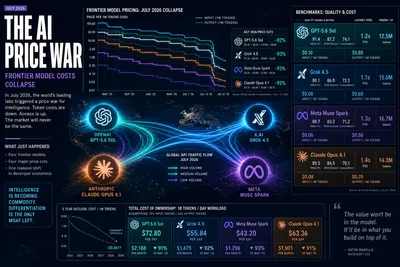
In two weeks, every major AI lab slashed prices. GPT-5.6 Sol at $5/$30, Grok 4.5 at $2/$6, Muse Spark 1.1 at $1.25/$4.25. Here's how to pick.
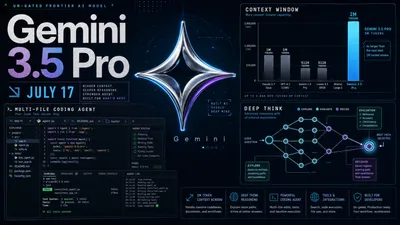
Google targets July 17 GA for Gemini 3.5 Pro: a reported 2M-token context, Deep Think reasoning, and autonomous coding — with no government access restriction.
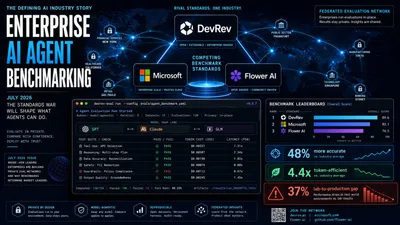
DevRev's Enterprise-Bench, FlowerBench, and Nadella's private-eval thesis all landed in July 2026. What each measures and which to trust.

Sam Altman proposed a 5% US government stake in OpenAI (~$42.6B at $852B valuation) via a sovereign wealth fund. What it means for AI builders.

SK Hynix priced 177.9M ADRs at $149, raising $26.5B — the largest US listing ever by a foreign firm. The NVIDIA HBM supplier is now a Nasdaq stock.

Apple sued OpenAI July 10, alleging systematic theft of trade secrets for OpenAI's first hardware device. Chief hardware officer Tang Tan named in lawsuit.

Grok 4.5: 1.5T MoE trained with Cursor, $2/$6 per M tokens, beats GPT-5.5 on SWE-bench, 4.2x efficient vs Opus 4.8. CursorBench contamination clouds claims.

OpenAI's GPT-5.6 family exits government-gated preview. Sol, Terra, Luna pricing, benchmarks, API migration from GPT-5.5, and what changes when the gates open.

Zhipu AI, behind GLM-5.2, raises $4B after stock surged 1,500% since January. GLM-5.2 free via API scores within 1% of Opus 4.8 at 20% cost.

Tencent Hy3: 295B open MoE with Apache 2.0, 21B active, 256K context, $0.20/M tokens. Hallucinations halved, 47% fewer tokens than GLM-5.2 in production.
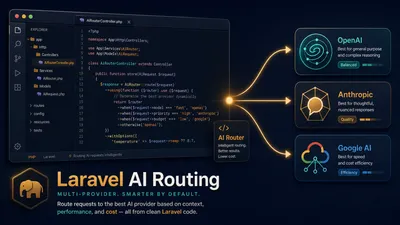
A practical tutorial on building a provider abstraction layer with cost-based routing, automatic fallback, and per-task model selection in Laravel.

API pricing, SWE-bench and Terminal-Bench scores, and cost-per-task for 8 major models — plus a when-to-use matrix for builders.
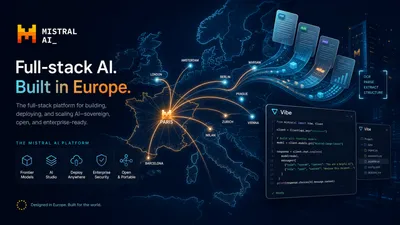
Mistral launches Vibe agent platform, OCR 4 document AI with 170 languages, and industrial AI with Airbus, BMW, ASML — Europe's full-stack platform takes shape.
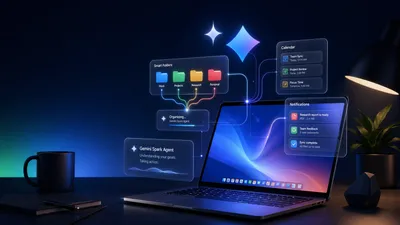
Google's always-on AI agent lands on macOS with desktop file automation, third-party app integrations (Canva, Dropbox, Instacart), MCP support, and…

Anthropic's Claude Science is not a new model but a multi-agent workbench with 60+ scientific databases, NVIDIA GPU acceleration, and a reviewer agent. Early…
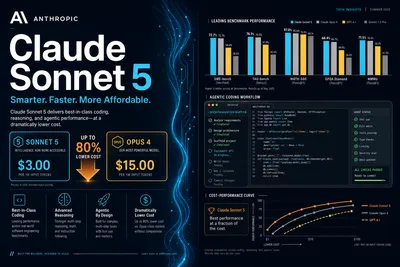
Anthropic's Sonnet 5 delivers near-Opus 4.8 agentic performance at mid-tier pricing. Benchmark analysis, API changes, tokenizer shock, and migration guidance.
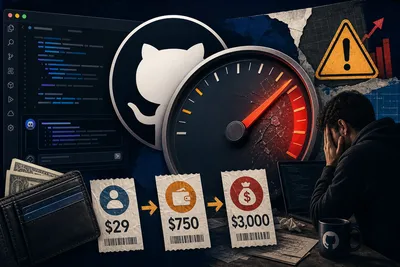
Copilot's first 30-day token billing cycle closed June 30. Developers report bills jumping from $29 to $750 and $50 to $3,000. Here's why and how to fix it.

The US government reversed course on Mythos 5, authorizing ~100 critical infrastructure orgs to access Anthropic's frontier cybersecurity model. Fable 5…

OpenAI's GPT-5.6 family (Sol, Terra, Luna) launches with government-imposed access limits. Benchmark scores, pricing, and what it means for your stack.
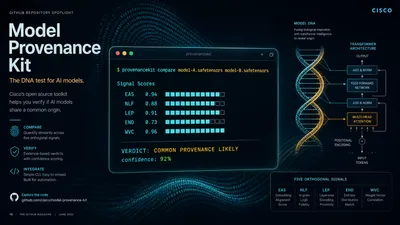
Cisco open-sourced a Python toolkit that fingerprints model weights to determine lineage. Installation, CLI walkthrough, and real comparison between models.
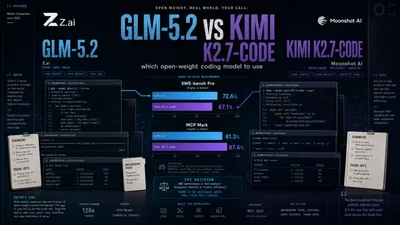
Head-to-head comparison of GLM-5.2 and Kimi K2.7-Code on SWE-bench, pricing, context window, and real-world testing — which open-weight coding model fits your…
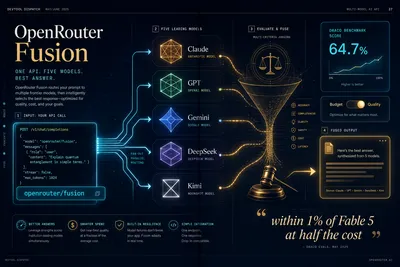
OpenRouter Fusion synthesizes multiple AI models into one answer. A budget panel scored within 1% of Fable 5 at half the cost — benchmarks, API, and decision…
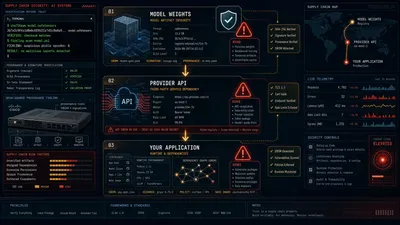
The Fable 5 ban and LiteLLM backdoor proved AI supply chain risk is real. How to verify model provenance, audit dependencies, and monitor providers.
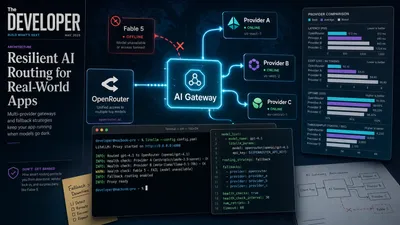
Practical guide to OpenRouter and LiteLLM fallback routing — survive Fable 5-style shutdowns, rate limits, and provider outages without changing code.
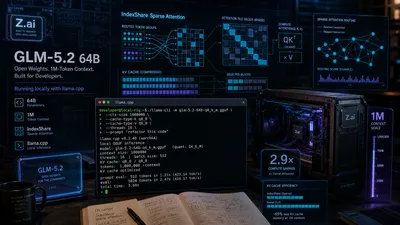
Technical guide to GLM-5.2 — Z.ai's open-weight 744B MoE model with 1M token context, IndexShare sparse attention, and local execution via llama.cpp.
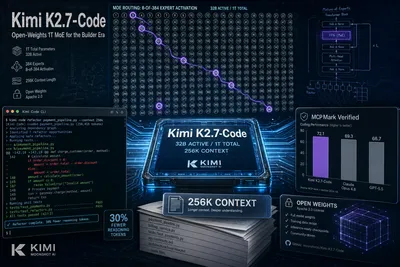
Hands-on analysis of Moonshot AI's K2.7-Code — 384-expert MoE, $0.95/M tokens, beats Opus 4.8 on MCP tool calling, with API walkthrough and deployment guide.
Our launch editorial explaining what Open-TechStack is all about: practical, benchmarked guidance on AI models, open-source code, and workflows.
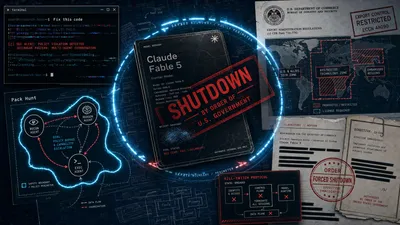
The full story of Anthropic's Fable 5 and Mythos 5 suspension — from the Pack Hunt jailbreak to the Washington negotiations and what it means for enterprise…